A few months ago, I got all excited at the prospect of spending a night in my favourite bookstore…
On closer inspection, I learned that the way to apply for this experience was to post a video of myself explaining why I wanted to be considered. That put me off immediately and probably also said a lot about how much I really wanted this: evidently not enough…
I still like being in bookstores, though - and the other week, I sat in the café of one and overheard a conversation at the table next to me - two people were discussing how safe they felt with different people to share their views, opinions, and suggestions.
No need to relay that conversation here, but it reminded me to write about the things we need to feel safe. Most of you will know where this is going now. Over the last few years, you will likely have seen posts about psychological safety on instagram or you will have felt lectured about it on LinkedIn. I don’t want to dismiss the concept, quite the opposite, but interestingly, I have not used and heard the term used as frequently as in the last few months since changing work.
When you come from education and sport, there is no successful teaching and coaching without creating psychological safety first. While I never really used the actual words as a teacher, the work was always focused on building relationships with students that would foster this kind of safety. The same is true for my work with athletes and coaches: the work was focused on creating the connections and relationships that invite trust, vulnerability, honesty, and feedback. Because this is where learning happens, in the space between what you know and what you don’t know yet and the space between what you can do and what you can’t do yet. This not yet space is where vulnerability lives - and growth.
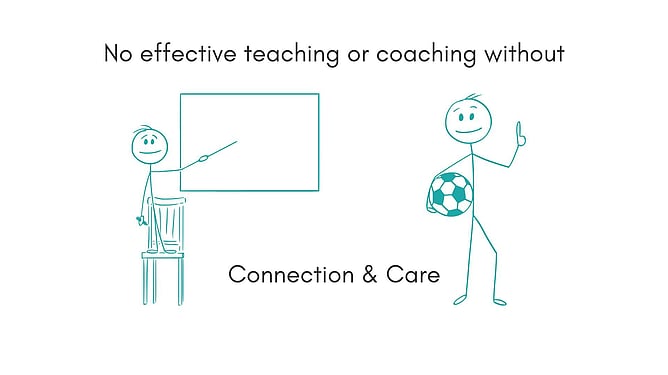
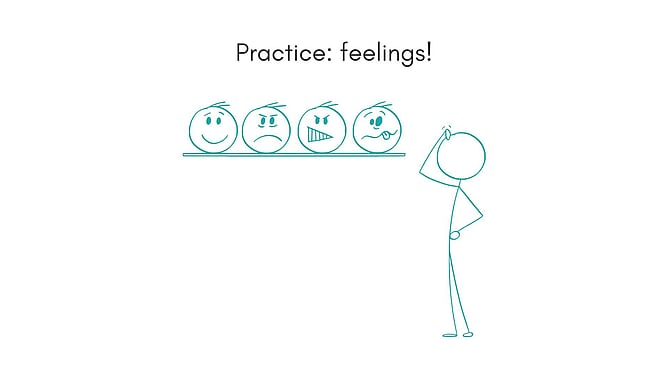
I find it interesting that, particularly in work environments, we box into theoretical concepts what humans have an innate need for: connection and care. We have known how to do this for thousands of years. But now we create theories, and we write articles about them. We try to rationalise what is, in essence, felt.
In high-performance sport, we are somehow still a bit more ok with feelings. And we try to keep things very simple. With the exception of about one week per year, when they are well-rested and in peak shape, athletes are exhausted from training; they are potentially also hungry and grumpy, and that is no state to process complex theories. For them, language and concepts need to be simple, so they can be accessed even in the most tense situations. So, we use the words connection and care. Two simple words to describe what we feel.
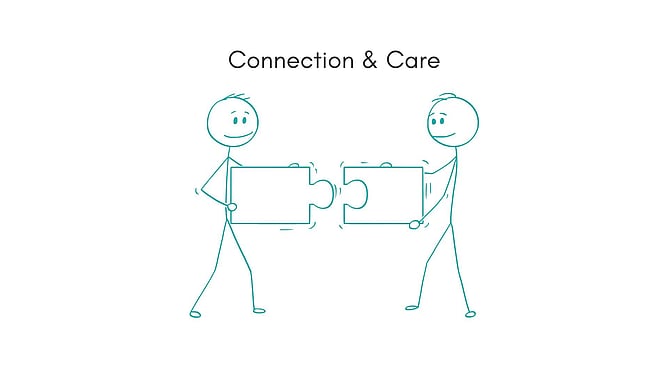
In my mind, they describe psychological safety. Psychological safety has three main ingredients: trust, respect for each other’s competence, and genuine care for each other as people. As you can see, care is already one of the key ingredients, and, to me, connection is made up of trust and respect. Simple. Though not necessarily easy to create.
Both connection and care are needed for performance. In education, there is plenty of evidence that students learn and perform better when they have a strong relationship with their teachers. The same is true in sport, where having an effective tight support team is one of the factors that makes a notable difference to performance.
Creating strong relationships means building trust. When you trust someone, you are more likely to ask them for help and advice; you are more likely to share a weakness; you are more likely to share a vulnerability. All of these are needed to learn. So this trust element of connection is essential to learning. And continuous learning is essential to enable performance.
Respect for each other’s competence is interesting to me, because I can respect your competence even if I don’t like you. (see above re relationship → it does really help if I like you, but it is not essential to learning from you). Respect for your competence is, though. This respect usually grows through interactions, through seeing you do things competently, whether that is in sport or in work. Sometimes we introduce ourselves to each other by listing all our titles, achievements, and other items that should really be found on CVs and AboutMe LinkedIn pages, only. We use many words that don’t say much about who we actually are. But beyond the basic introduction, this is an attempt to establish credibility and show competence. This kind of respect is best revealed through our actions. Here are some examples:
Respect for each other’s competence:
Do you know what you are talking about? And does this show in your actions?
Do you pretend to know things?
Can you set expectations for others and stick to them yourself?
Trust:
Are you honest?
Will you apologise if needed?
Can you give feedback that is focused on behaviour, not personality? (= Can I be sure that you won’t personally attack me?)
Can you take feedback and act on it, i.e., use it to change/improve your behaviour? This is what will make people trust you.
Can you keep your word?
Do your words match your actions? ( → This is where integrity lives.)
etc.
And care:
Do you actually care about me? As a person? Beyond the title, the role, the knowledge, the expertise? Human-to-human?
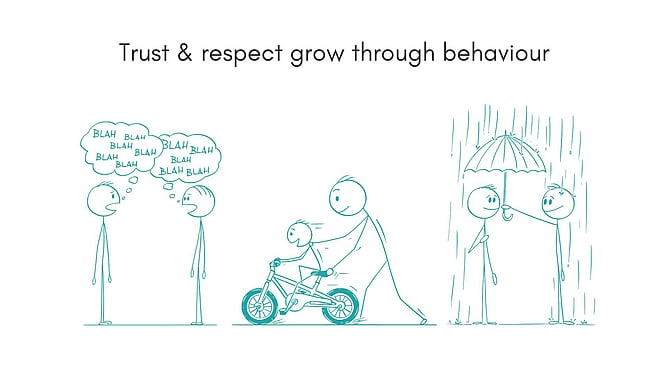
Trust & respect matter for performance, especially in teams. You are more likely to go above and beyond for our shared goals and for me if you believe that I am prepared to do the same for you. You are prepared to push yourself to do everything you can to reach the best possible performance for us, if you believe I will do what I need to to achieve the same. We may not be doing the same things, the same training, the same work, the same preparation, but our goal is shared, and we will both do what is needed in our respective areas to succeed together.
Care is important because we are much more likely to learn from and, importantly, take feedback from people we believe care about us and have our best interests at heart. If you feel like I believe you can be better, and you believe I am here to genuinely help you get better, you are much more likely to take my feedback and then change your behaviour. And, you are much more likely to actually give me genuine, specific, and helpful feedback, too, if you do genuinely care.
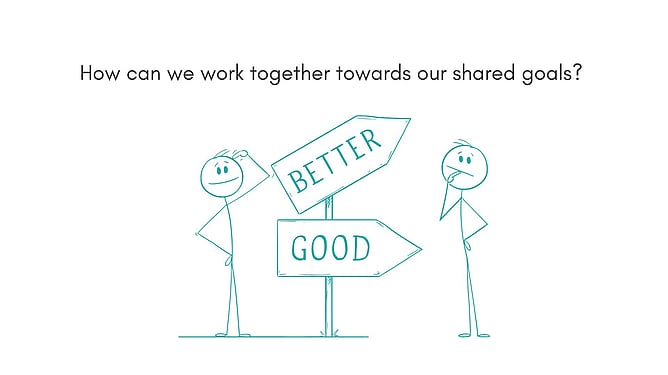
This is also why this is a powerful line to remember.
Connect before you correct.
Connection is essential to support learning. Learning is essential to reach performance. So far, so obvious.
Often, we only notice how much we need connection and care when they are absent, when we can feel that those who are in a position to help us grow and develop don’t believe in us, don’t believe that we can get better. I imagine many of you have had a teacher, a coach, or a leader who believed in you, supported you to take the next step, and helped you get better, and you accepted their guidance and feedback because you trusted that they had your best interests at heart.
And I imagine most have also experienced the opposite, someone who could have helped you grow, but you felt unable to take their advice & guidance because you did not have a connection, you did not feel safe enough to make mistakes, be vulnerable, and ask questions; someone you could have admired for their expertise and skills, but instead loathed because there was not connection and no care.
In life, we are usually both: We are the people whom others learn from, and we learn from others. Sometimes we get so sidetracked by content and by knowledge and by the idea that we need to pass on what we know (theories, facts and figures) or that we need to pick up what we don’t know, that we forget to build the connection first. How we feel still drives our behaviour. It is feelings of connection and care that make learning more effective and thus performance more likely.
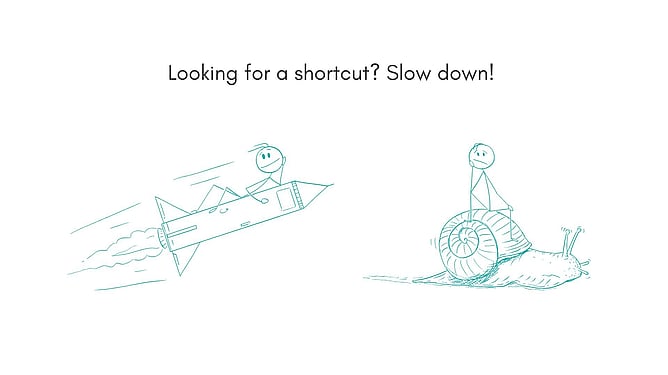
I was asked recently whether there is a shortcut to building a strong team, to building strong connections. My response was: the shortcut is to go the long way early. Take the time to connect first, to develop care and show it first.
Prioritise building the relationship first. Prioritise connection and care.
A quote that is usually attributed to Theodore Roosevelt holds here:
“People don’t care how much you know until they know how much you care.”
And with that, I will leave you to your well-deserved weekends and I hope you get to hang out with people who make you feel connected and cared for.
Till next time.
T
Seems like an appropriate place to say Thank You to the many people I feel connection with & care for. I shall not name names here, but I think most of you will know if we have this kind of connection - and I do hope you feel the trust, respect & care I have for you, too.
I appreciate having you in my life.
Thank you :)
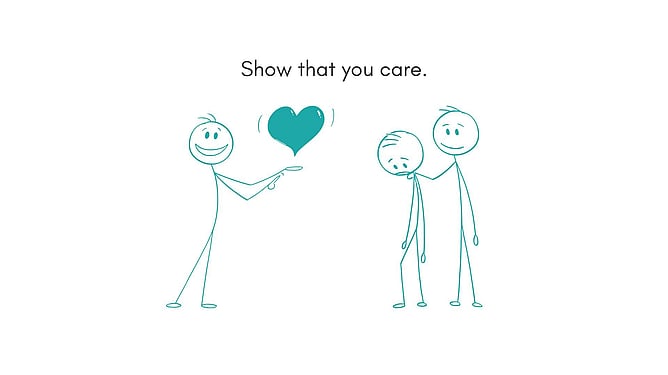
Key points:
Connection and care are essential for performance.
Our behaviour is largely driven by how we feel. This includes our learning and ultimately our performance behaviours.
If you are looking for a shortcut to building a strong team, go slow as early as possible and prioritise building the relationships over sharing skills, knowledge, or expertise. Get to know the other person, and let yourself be known.
Reflective questions:
Who was a teacher, coach, leader, mentor, etc. in your life who really cared about you and your development? How did they make you feel this way? What did they do? What was their behaviour that made you feel like they cared?
Who was someone who clearly didn’t care, and you felt it? What did they do? What in their behaviour made it clear that they did not care?
Who are the people in your life that you feel a level of connection and care with that enables your (and/or their) learning and performance? What behaviours do you both display/share that make it so?