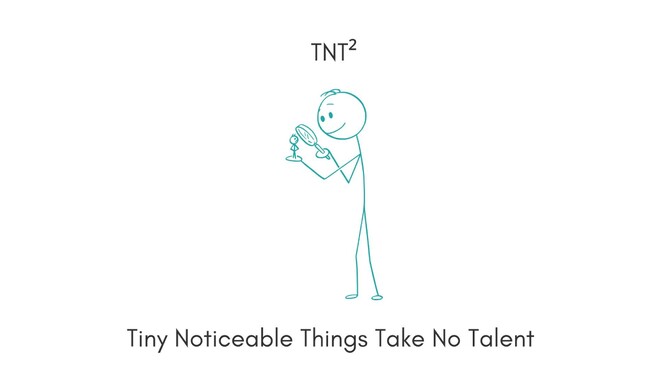
Tiny noticeable things take no talent… and yet, so often they slip off the radar.
Today’s blog is about many of those tiny noticeable things that make a difference to our performance and in our relationships. Most of them take no, or very little talent.
Perhaps a note to add here: I don’t claim to be doing these perfectly all the time. Far from it. In fact, I have had a few recent reminders of just how important I think they are, because I did not pay enough attention to them, which left me frustrated… with myself. So today I’m writing a blog to remind me of all the TNTs and share some with you. It won’t hurt. I promise :)
The way we show up, our behaviour, speaks much louder than any words we could ever say. This is why it is important to pay attention to the tiniest things. They contribute to how we apply ourselves to a task or a situation and how people around us might apply themselves.
I’ll go through a list of tiny noticeable things that take no talent =TNT². Don’t expect this to be a complete list; please add your own to it. Here are some basic ones:
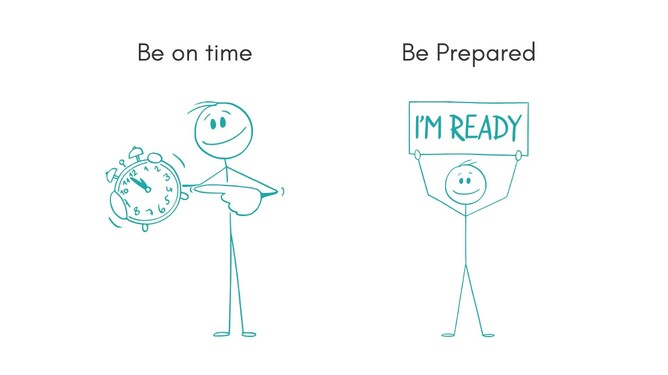
Be on time
This is basic, but it is a big one.
I had a coach once, who said to us, ‘If you are late, your behaviour tells me that you think whatever you are doing is more important than my time. I find that disrespectful.’ You can imagine the silence in that moment… There were very few instances of any of us being late after that, and there were very few instances of the coach ever being late to training. If someone was late, as happens sometimes, the agreement was to let everyone know as soon as possible. Again, he had been very clear, ‘Don’t tell me you’ll be late after the time we have agreed to meet. I know you are late, I am already here, and I can see you are not here. Tell me ahead of time. That way, I have an opportunity to decide what to do with my time. Again, to me this is a sign of respect.’
It is one of the very few conversations that have stuck with me, and it’s left a lasting impression. Clearly. Over the years, I have come to appreciate and value it. Time is one of the few things we can’t control and the one thing we can’t have back, so making other people wait literally wastes minutes of their lives. Sounds very dramatic, I know, but a useful observation to keep in mind.
Is there nuance in this? Yes, probably. You know your relationships best, and you know with whom and for what events you want to be strict on punctuality and where you want to and can be flexible.
Whether you are always on time or never, people will notice.
Be prepared
People will notice when you are prepared (and when you are not). In sport, being prepared meant things like bringing a water bottle, packing your bags the night before, making sure you have all your gear, having breakfast, being warmed up, etc. The list is long; the things to do to prepare are all simple. With this preparation, you allow yourself to be ready to train or perform well.
In other contexts, being prepared may mean having thought of questions you want to ask in a meeting, remembering details of the last conversation when you are about to have the next conversation with a friend, having relevant information available that someone else will likely ask of you, or taking all the gear you need on a hiking trip. It could be anything. This kind of preparation shows that you have thought about what you will be doing ahead of time and you have considered what you and others might need. With preparation, you also allow yourself to be fully present.
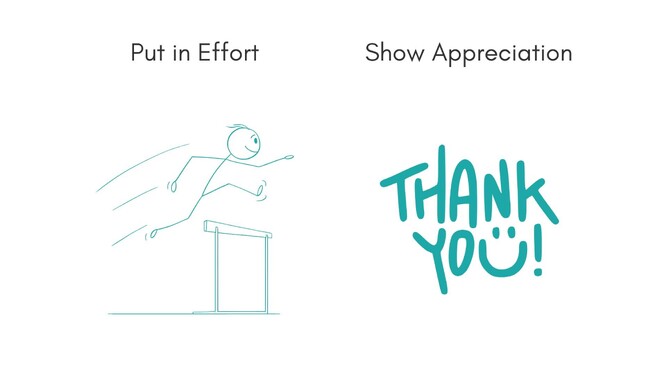
Consistently put in effort
It will show. You will notice the difference in consistently applying yourself to tasks. You will get better quicker. Others will notice it too. Putting in effort takes no talent whatsoever. What is particularly noticeable is when people don’t put in any effort at all. In training, this is about working hard physically and mentally. Putting in effort obviously means physically applying yourself, but it also means staying mentally present. Retaining clarity about what you and the team are working on and putting your effort into this is important and will be noticed.
Beyond sport, you might, for example, have a friend whom you are constantly reaching out to, and they never reciprocate. It won’t take you long to notice that. They will notice the same about you if you are the one who never responds. Similarly, if you are studying or learning about a new area or field, put in effort to learn about it. Read books, watch YouTube clips, ask ChatGPT. Put in the effort to learn more. Don’t wait for others to deliver the information to you. They are much more likely to help you when they can see that you are putting in effort to help yourself first.
Say Thank You - properly
Express real gratitude. Again, this may be obvious. But many of us are actually pretty average at expressing thanks and gratitude. Some take the approach that not criticising someone is essentially enough appreciation or praise.
It is not.
Thanks and gratitude are best expressed with honesty and specificity. So rather than saying, ‘Thank you’ or ‘Thank you, you are great’ or ‘Thank you, you always do such great work’, be specific. Don’t get me wrong, the statements above are better than no thank you at all. But these are general statements that show very little thought on your end. They are much less powerful than gratitude expressed for specific behaviour or actions of the other person, eg.
‘Thank you for helping me choose a present for <...> you know them so much better than I do, and now I feel like I have something they will be happy with. It makes me feel better and hopefully it will make them happier too.’
‘Thank you for the conversation earlier. It helped me sort through my own thoughts. I appreciate you listening and giving me advice.’
‘Thank you for making the time to be there. It really meant a lot because <...>.’
These statements are more likely to make people feel seen and appreciated because they are specific to their behaviour. It tells people that you have noticed what they do and that you appreciate it.
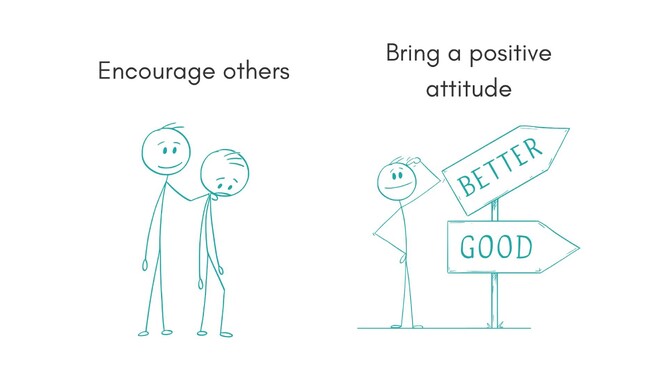
Encourage others
This one takes absolutely no talent. Encouraging friends, teammates or colleagues, even strangers, goes a long way though. You say, I see you, I am here for you, I have your back, I want you to succeed and, this is important, I believe that you can. In sport, you might be encouraging a teammate to focus on the next play after a missed pass, you might give them a nod and a smile when they are about to face a challenging situation, test or competition.
Bring a positive attitude
I feel like this is self-explanatory. A positive and optimistic attitude (with an element of realism) is usually much more helpful for performance and in our interactions with others than a negative attitude. I have written elsewhere about admiring problems. Have a read of that and assume that bringing a positive attitude is the opposite of that.
There are a few more, like remembering people’s names, being present, greeting people with a smile, sending thoughtful messages every once in a while, and so on. I am sure you have your own little list of TNTs. View this as an invitation to take stock of your TNTs and how well you currently do them by your very own standards.
And, if you haven’t already, go and do a TNT today. It takes no talent.
Key points:
TNTs take no talent.
TNTs will be noticed.
Doing TNTs well will make you feel better, too.
Reflection Questions:
What are the TNTs you value the most when you do them?
What are the TNTs you value the most when others do them?
What TNTs have you done today?

